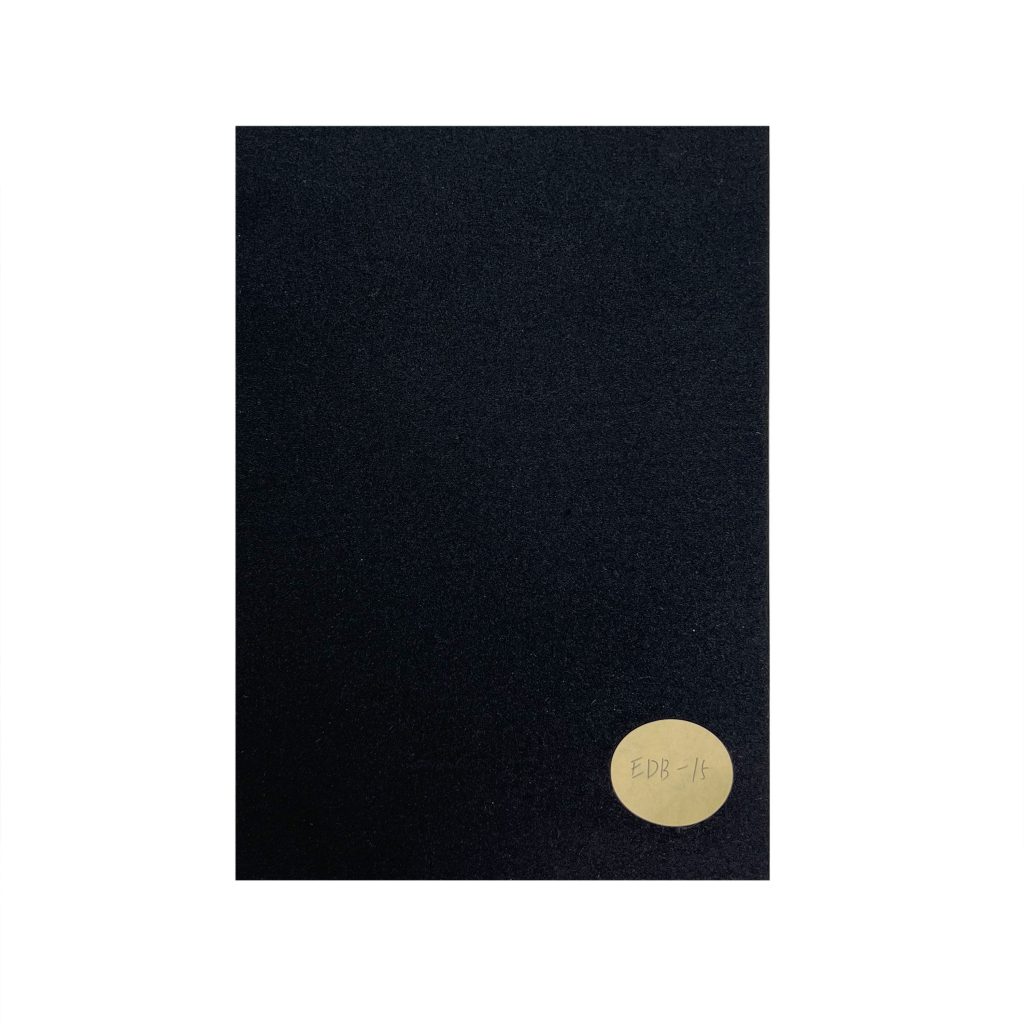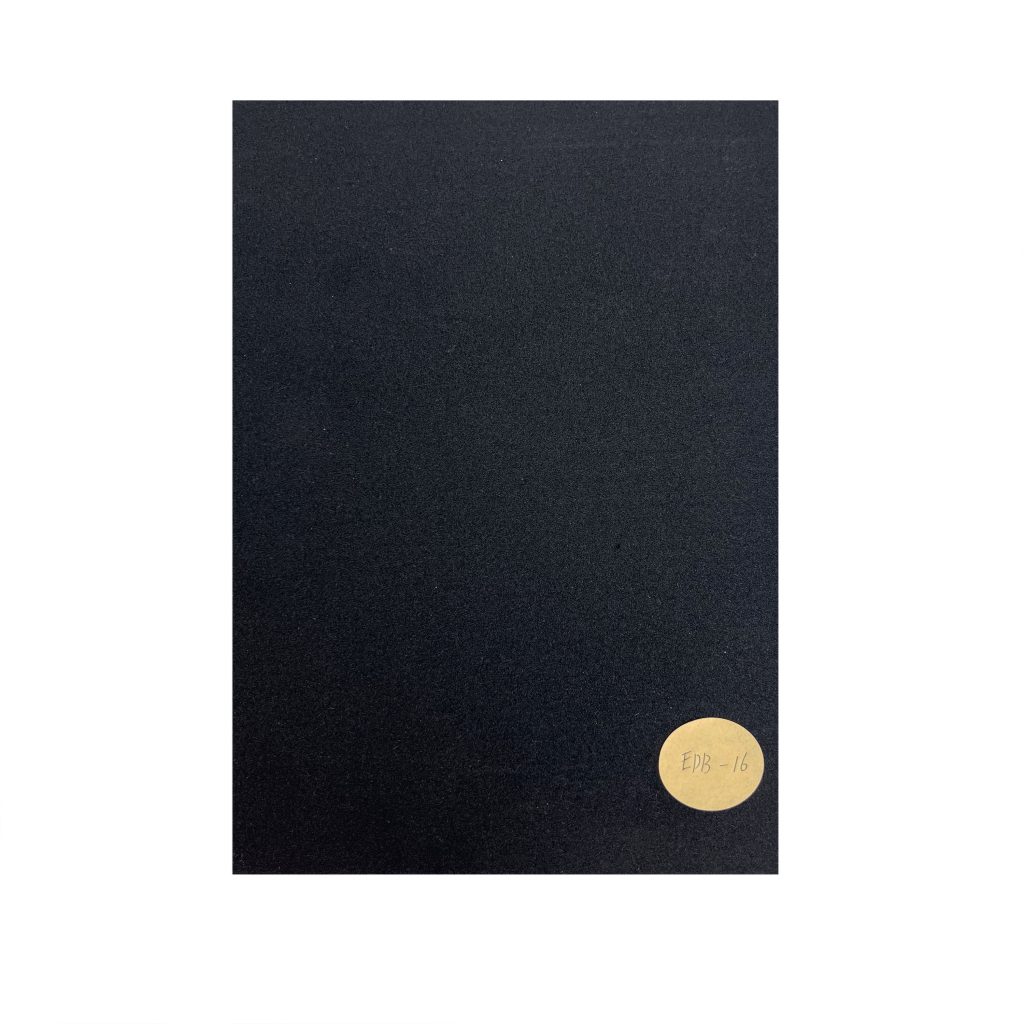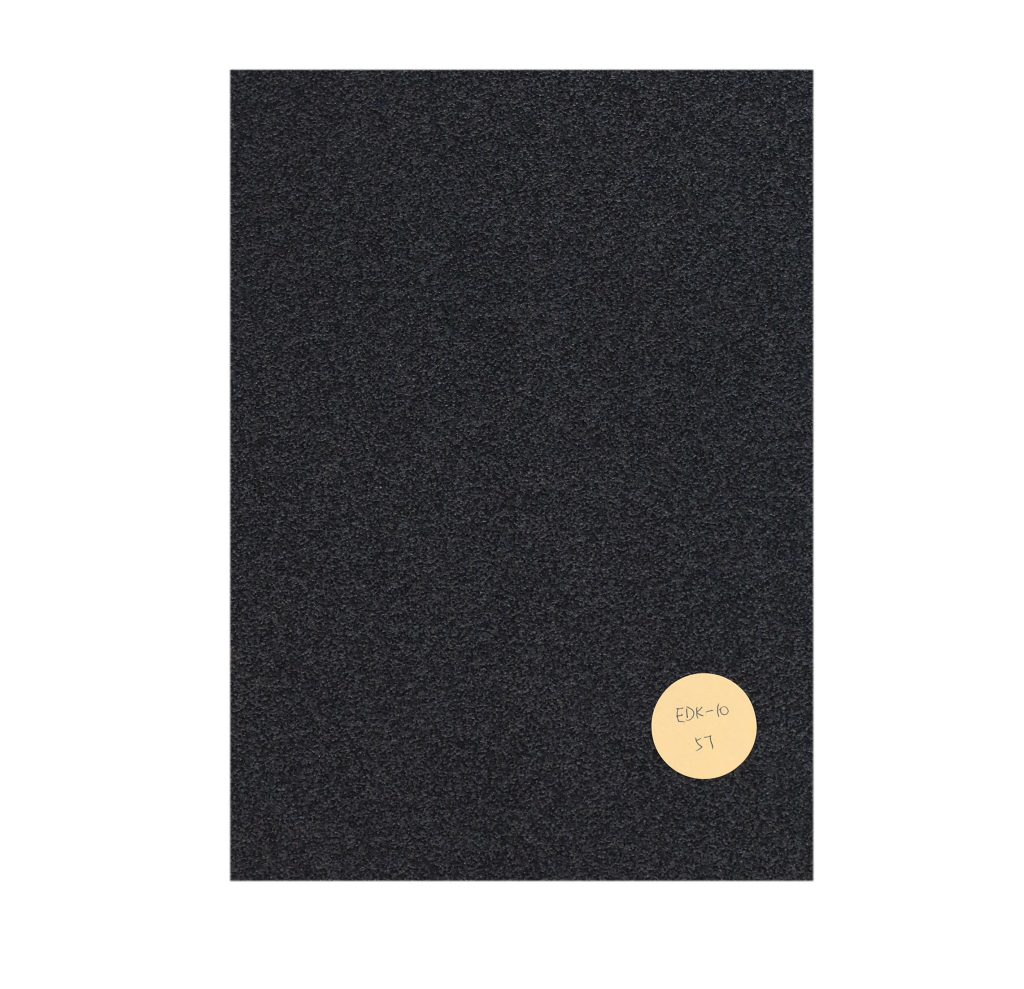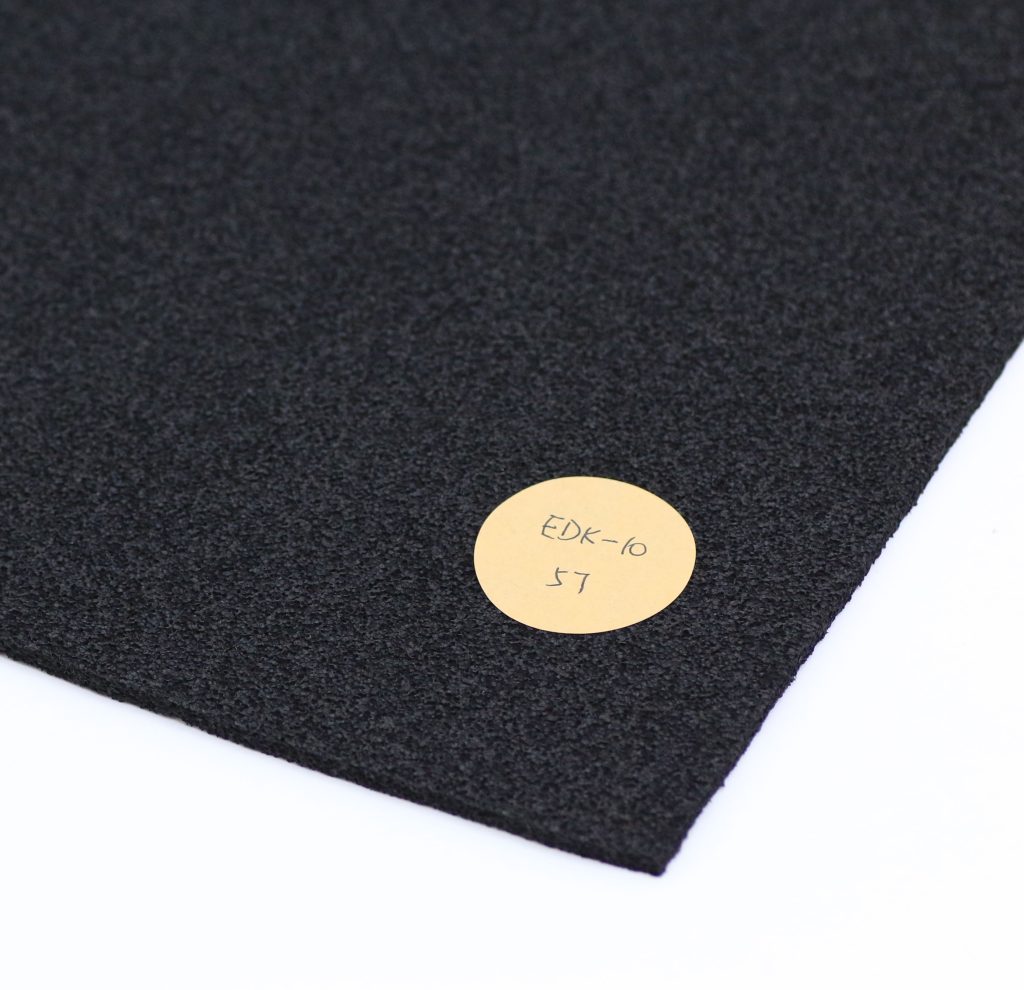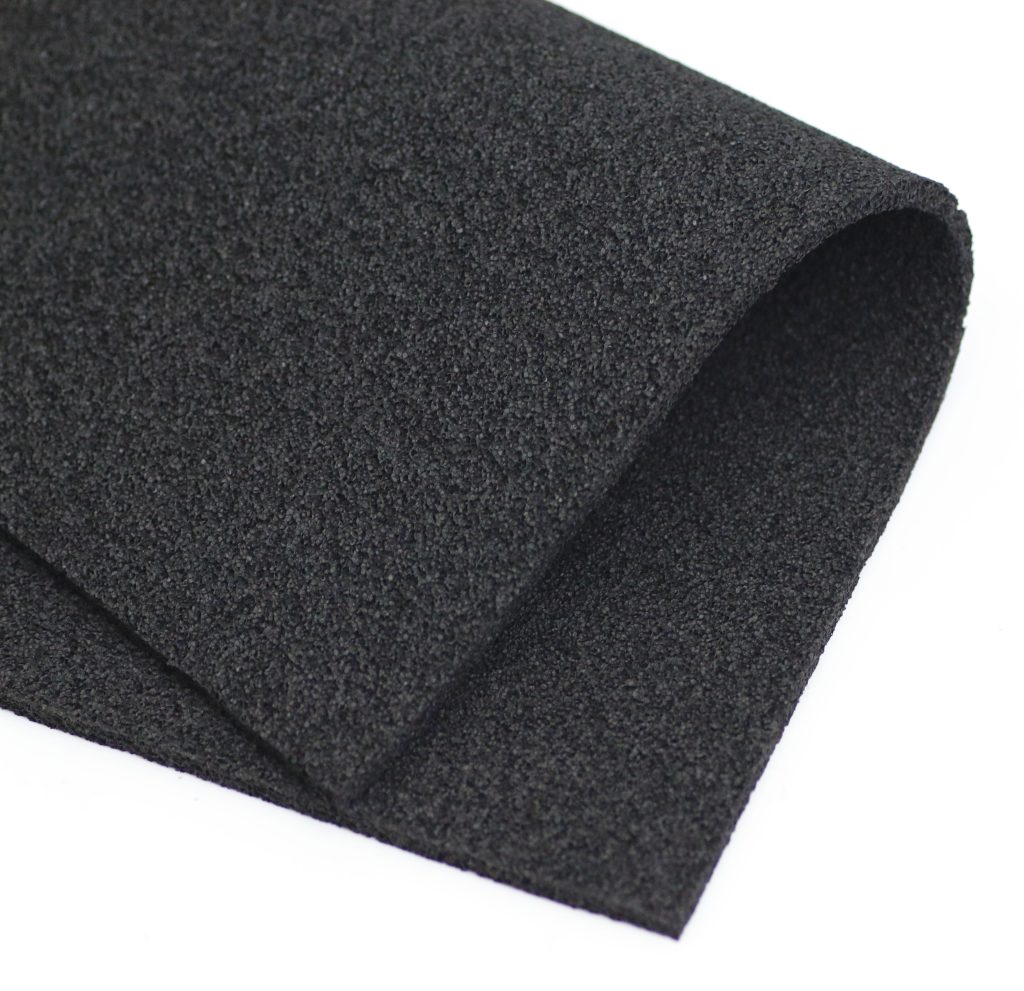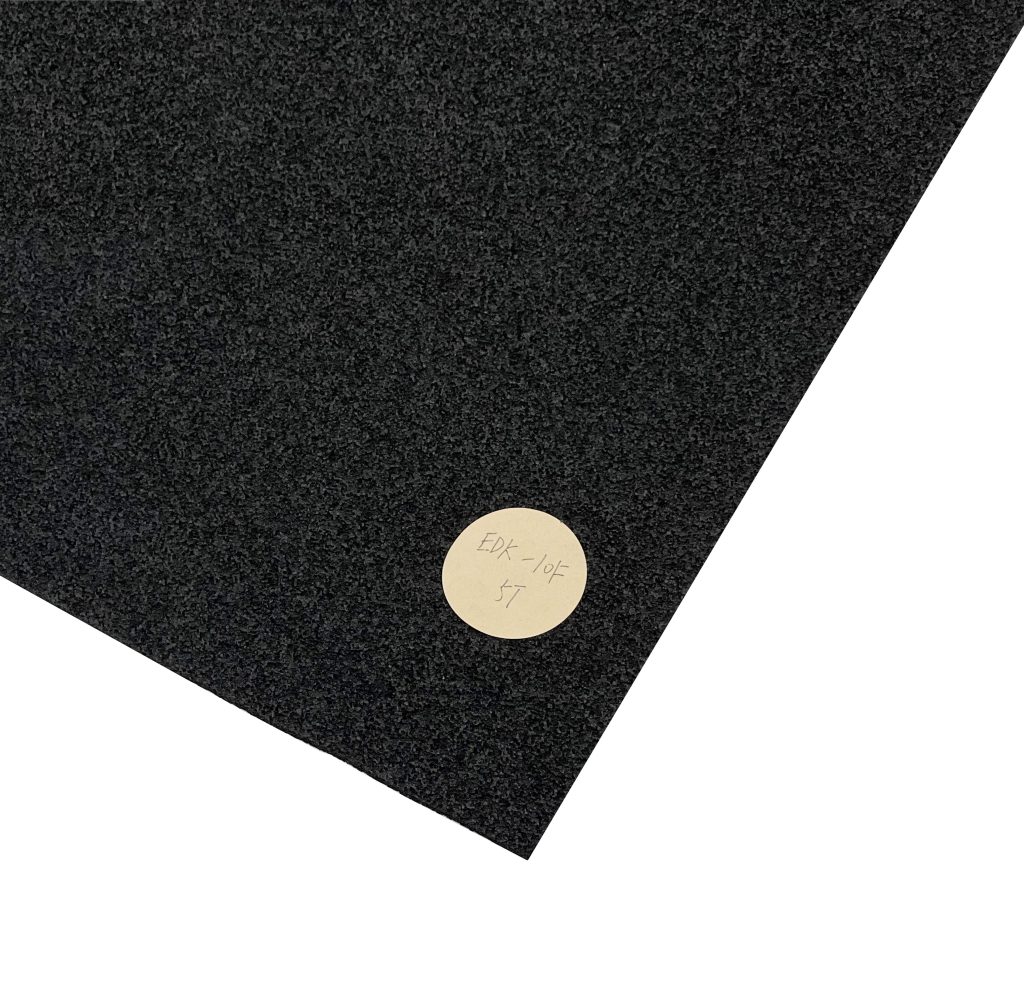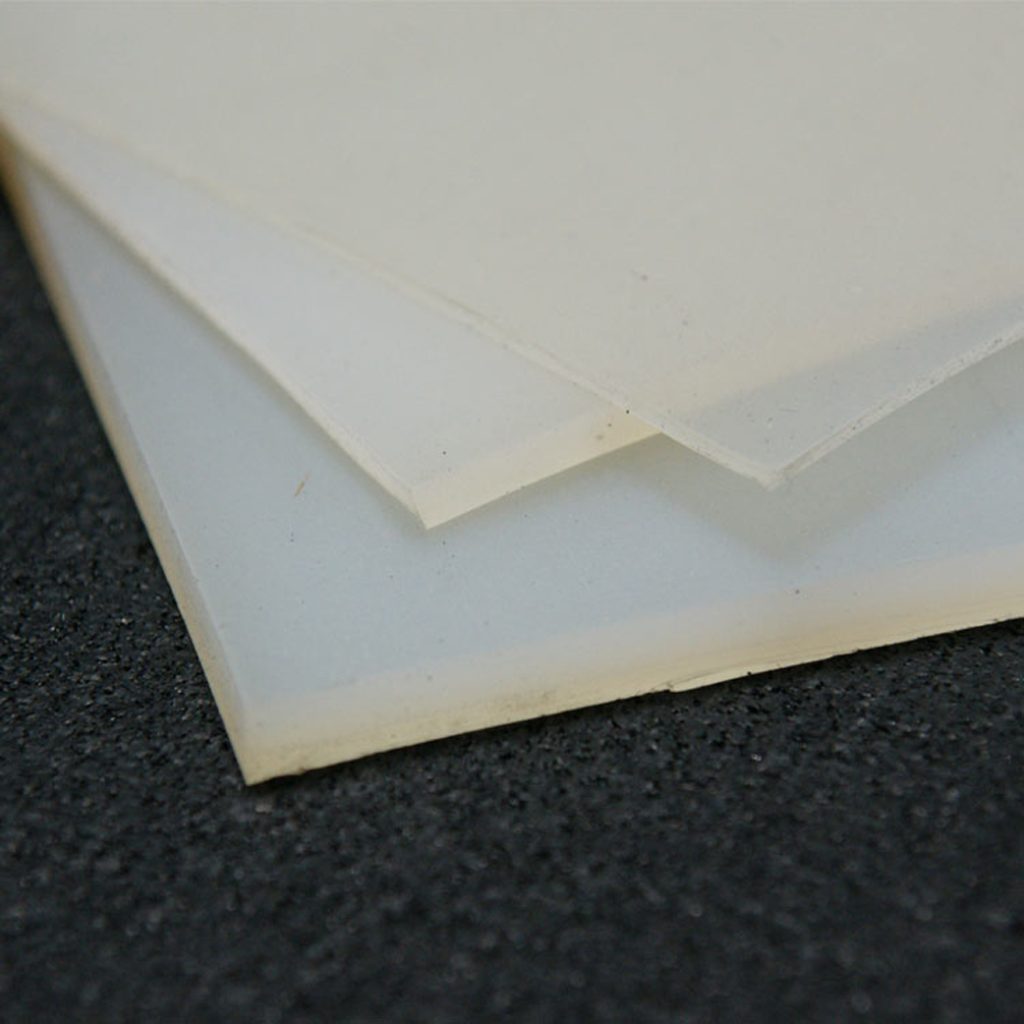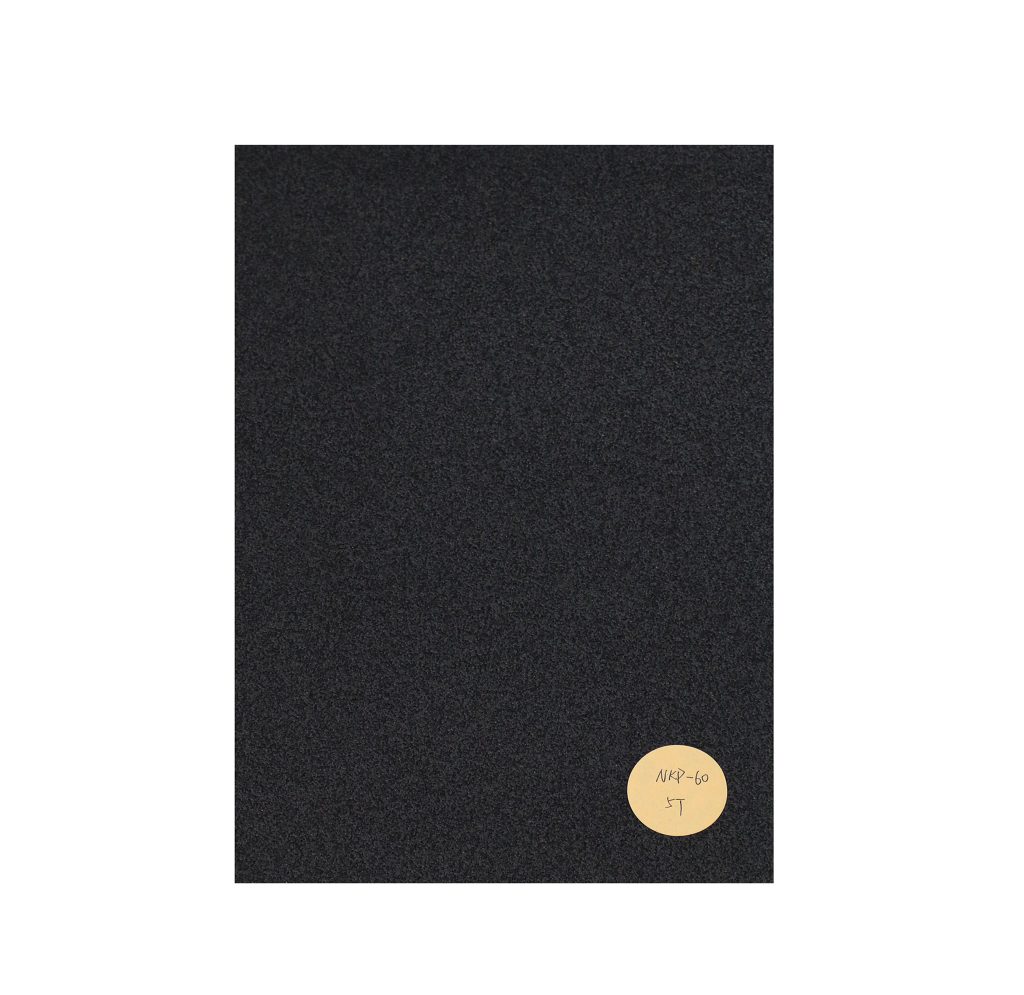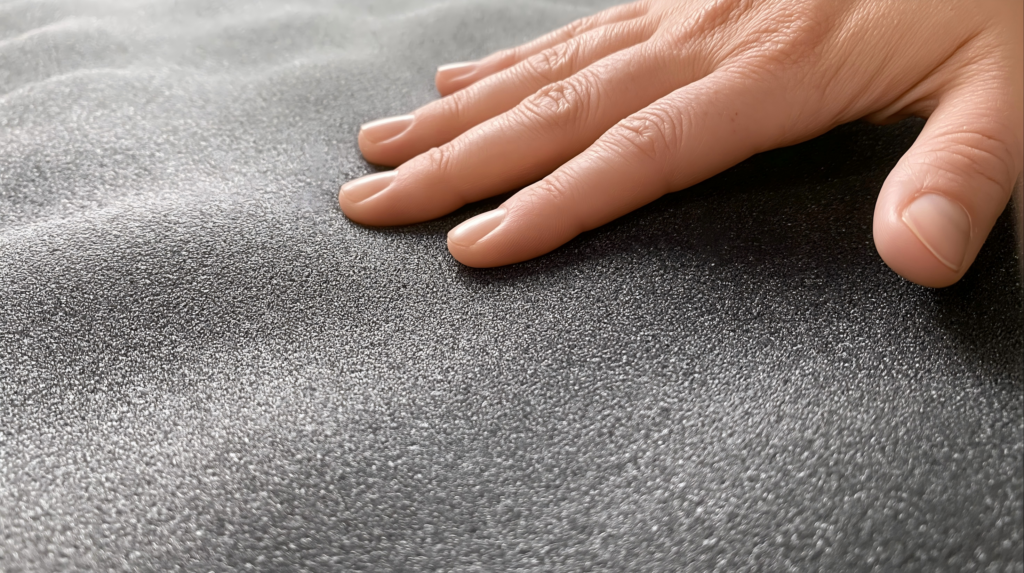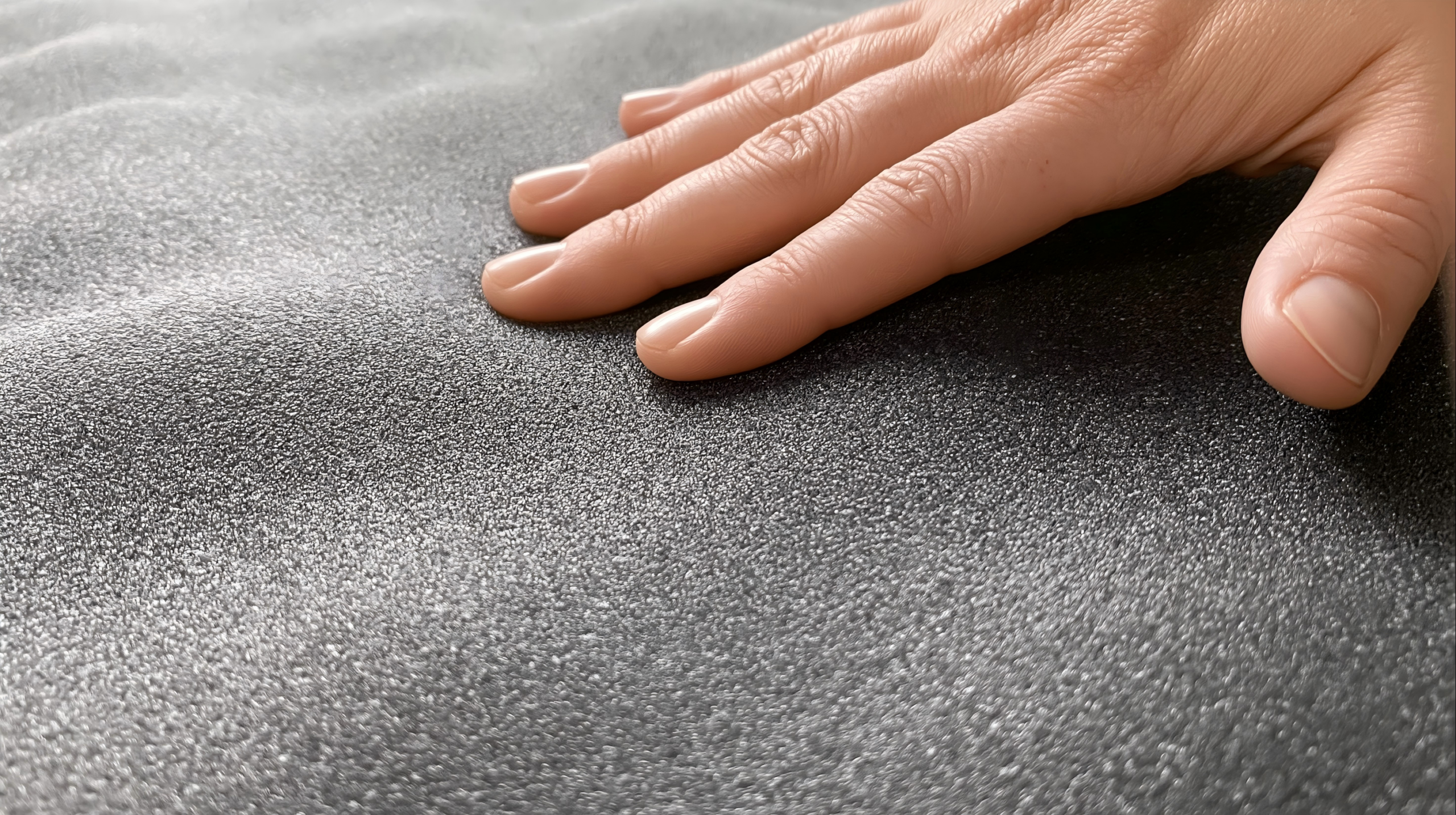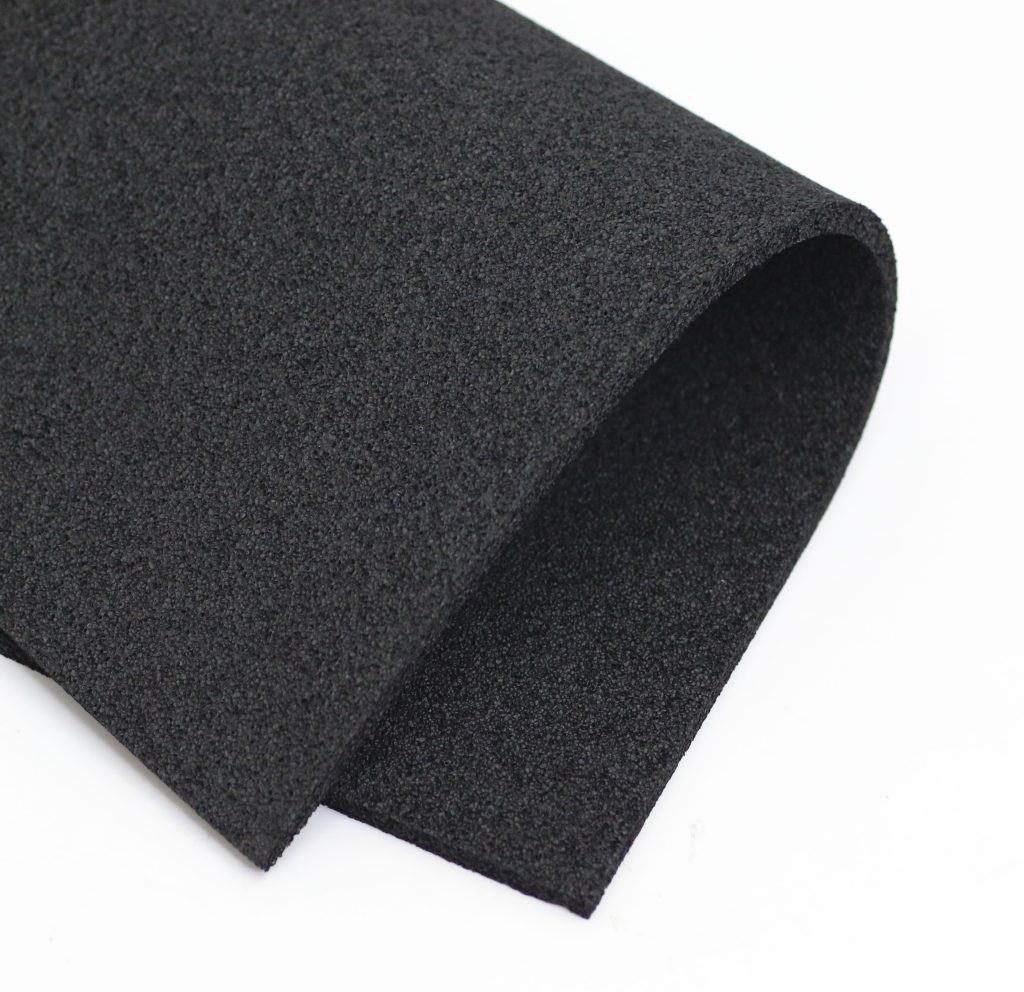
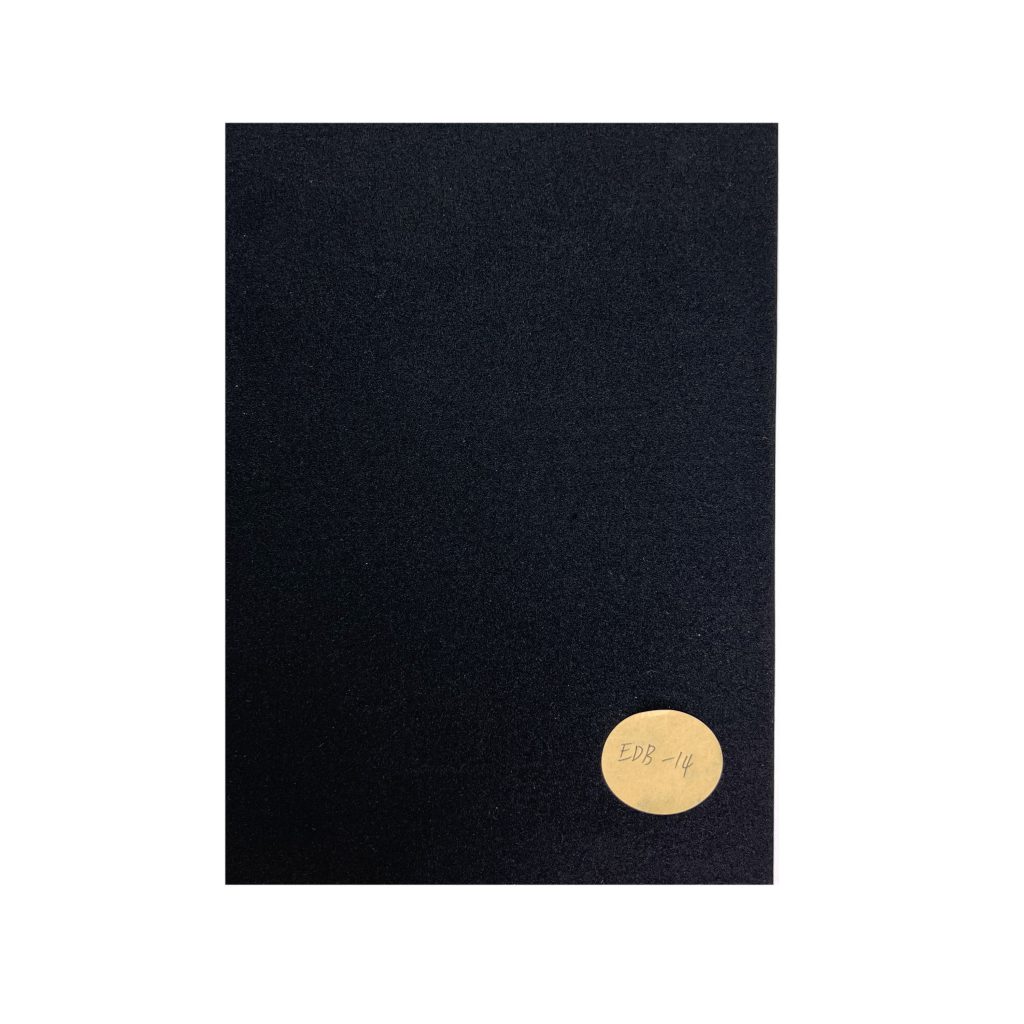
EDB-14 EPDM FOAM
Flexible silicone foam for sealing, cushioning and insulation in applications requiring reliable performance across a wide temperature range.
Silicone foam combines flexibility, thermal stability and long-term resilience for demanding sealing and insulation applications.
It is suitable for equipment exposed to heat, temperature cycling and environments where conventional foam materials may degrade faster.
OKIN provides silicone foam in different thicknesses, densities and constructions for industrial processing requirements.
Use this block to redirect traffic to a lateral category if they haven’t clicked a product above.
Use this block on specific product pages to compare Type A vs Type B.
Compare available silicone foam grades by structure, density and application requirements.
Use this block on specific product pages to compare Type A vs Type B.
Short description of Product A. The industry standard for watertight sealing and superior elasticity.
Short description of Product B. Great for acoustic insulation andlow-load sealing.
A flexible foam solution for applications where temperature resistance and long-term sealing performance are critical.
Designed for demanding thermal environments.
Maintains cushioning and recovery under repeated compression.
Suitable for long-term industrial sealing and protection.
Compare available silicone foam grades by structure, density and application requirements.
Thermal seals, protective pads and cushioning components.
Insulation and sealing around sensitive components.
Flexible sealing and cushioning in temperature-sensitive assemblies.
Flexible silicone foam for sealing, cushioning and insulation in applications requiring reliable performance across a wide temperature range.
Compare available silicone foam grades by structure, density and application requirements.
Build trust by linking to technical articles or engineering blogs dynamically based on
tags.
Simplifying Foam Installation Installing foam strips manually can be difficult when the material moves, twists or becomes misaligned during assembly. Adhesive-backed EPDM foam provides temporary or permanent positioning support, depending on the selected adhesive system. The adhesive layer allows the foam to be applied directly to prepared metal, plastic, glass or coated surfaces. Available Configurations […]
Flexible Sealing for Building Components Construction joints, glazing systems, windows and doors require sealing materials that can accommodate dimensional tolerances and movement between components. EPDM foam rubber can provide flexible compression around frames, joints and contact surfaces while offering good outdoor weather resistance. Common Construction Applications EPDM foam is suitable for: Window and door frames […]
Flexible Foam for Vehicle Components Automotive components are exposed to vibration, repeated movement, temperature changes, dust and outdoor weather conditions. Foam materials may be required to seal gaps, cushion contact areas or reduce noise generated by component movement. EPDM foam rubber is suitable for many exterior and interior vehicle applications because it combines flexibility with […]
Sealing and Cushioning in HVAC Systems HVAC equipment contains multiple metal panels, ducts, access doors and internal components. Small gaps may lead to air leakage, vibration noise or contact between metal parts. EPDM foam rubber can provide sealing, cushioning and vibration reduction within HVAC equipment and ventilation systems. Common HVAC Applications EPDM foam products are […]
Protecting Sensitive Electrical Equipment Electrical enclosures require reliable sealing around doors, panels, cable access areas and equipment covers. Gaps between metal components may allow dust, air and moisture to enter the enclosure. EPDM foam gaskets provide flexible compression and can help create consistent sealing contact between enclosure surfaces. Suitable Product Forms EPDM foam for electrical […]
Reliable Sealing for Outdoor Environments Outdoor equipment and structural components are continuously exposed to sunlight, ozone, rain, dust and temperature changes. An unsuitable foam material may harden, crack or lose its compression recovery after prolonged exposure. EPDM foam rubber is widely used for outdoor sealing because it provides good resistance to weathering and ozone while […]
Match silicone foam density, thickness and structure to the actual sealing, insulation and compression requirements of your application.
OKIN provides silicone foam in different thicknesses, densities and constructions for industrial processing requirements.
Compare available silicone foam grades by structure, density and application requirements.
Silicone foam is commonly used for sealing, cushioning, thermal insulation and vibration control in applications exposed to heat, temperature cycling and demanding environmental conditions.
Silicone foam is generally selected for applications requiring better high- and low-temperature stability than many conventional foam materials. The actual working temperature range depends on the specific silicone foam grade and formulation.
Yes. Silicone foam can be supplied with adhesive backing for easier installation, positioning and assembly. The adhesive type should be selected according to the substrate, temperature and operating environment.
The main factors are thickness, density, compression requirement, temperature range, sealing pressure and application environment. If the foam will be used as a gasket or compression seal, the required compression and recovery performance should also be considered.
Match silicone foam density, thickness and structure to the actual sealing, insulation and compression requirements of your application.
Send your specifications to our manufacturing team for a fast, competitive quote.We don’t just supply rubber; we supply certified safety. Every major project batch undergoes rigorous verification to guarantee stated performance and longevity in extreme marine conditions.
Search by product, material or application.